How AYSA Helped Build NOKIDU, a Marketplace for Families
Richard Dosinescu introduced NOKIDU on ZF IT Generation. Here is what AYSA learned while helping turn his idea into a live family marketplace.
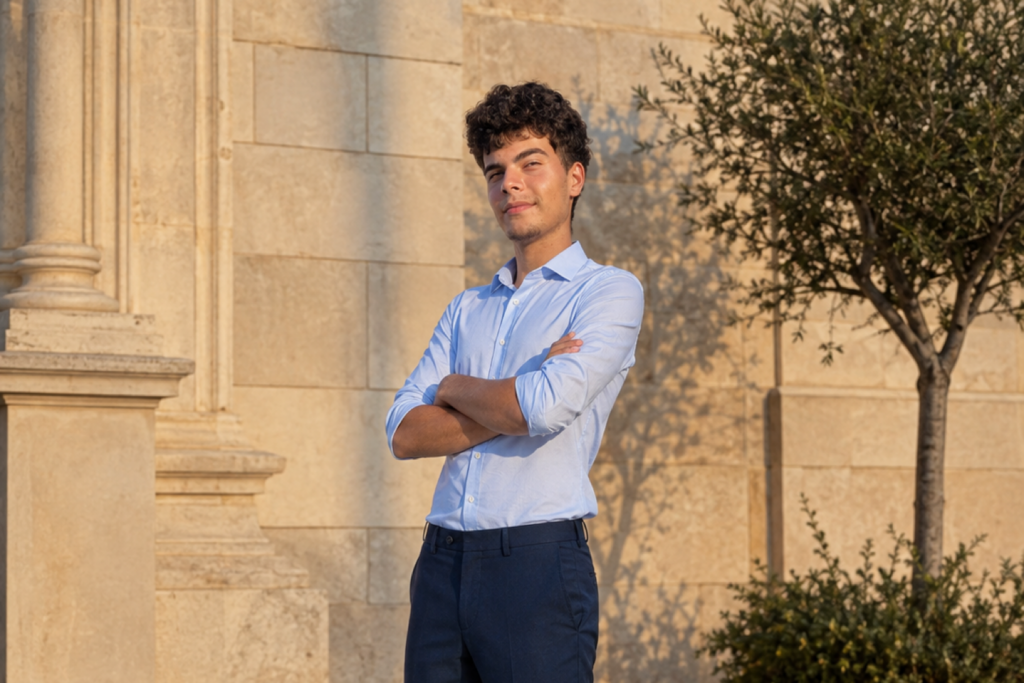
By Marius Dosinescu, founder of AYSA.ai
A marketplace does not become real when the code is finished. It becomes real when two people who did not know each other can find a useful match, trust the process and complete an exchange. That is the test now beginning for NOKIDU, the family marketplace founded by 15-year-old Richard Dosinescu and recently featured in ZF IT Generation.
In the interview published by Ziarul Financiar on September 2, 2026, Richard explains how an idea he first had at four years old became a working product for families. He also makes a public commitment: to work toward 10,000 users over the following eight months.
AYSA’s technical team helped turn that idea into the web, iOS and Android product now entering the market. This article is our view from the product side: what was built, why marketplace density matters more than a nationwide headline, and what has to happen after launch for an ambitious target to become genuine user value.
The story in brief
- NOKIDU is a marketplace designed specifically for families, initially centered on exchanging and donating children’s items across ten practical categories.
- The product took approximately six months to build with support from the AYSA technical team, followed by three months of testing before public launch.
- Richard’s target is 10,000 users in about eight months. This is a goal, not current traction: ZF reported 11 early users at the time of the interview.
- The initial growth strategy is deliberately local. NOKIDU is prioritizing communities in Bucharest so families are more likely to find relevant items and complete exchanges.
- The next roadmap should be driven by real behavior. Useful listings, relevant matches, completed exchanges and returning families matter more than registrations alone.
From a childhood observation to a working product
Richard traces the idea back to kindergarten, where children would temporarily exchange toys and each get something new to enjoy. The observation was simple: a toy that no longer holds one child’s attention may still be valuable to another.
The difficult part was never the observation. It was turning it into a safe and usable process for families who do not already know each other. A real marketplace needs more than listings. It needs structured product information, discovery, matching, mutual acceptance, delivery choices, notifications, payments and enough trust for both parties to proceed.
NOKIDU organizes children’s items into ten categories, including toys, books, clothes, footwear, games, education, sport, strollers, accessories and children’s IT. Users can publish an item, discover a relevant offer and propose an exchange. The process can end with a personal handover or a locker-to-locker delivery, depending on what the two families choose.
The public launch is therefore not a prototype announcement. It follows roughly six months of development and three months of testing. The product exists and can be used. What remains unproven—and can only be learned from the market—is whether families will use it frequently enough to create a healthy exchange network.
What the AYSA team contributed
ZF correctly notes that the AYSA technical team supported the development of NOKIDU. That support covered the work required to move from a product concept to a multi-platform application and an operational marketplace flow.
It is important to describe the roles honestly. Richard is the founder: he owns the problem, communicates the product and must decide what the platform becomes. AYSA supplied technical execution, product support and the operational framework needed to launch. An experienced team can shorten the distance between an idea and a usable application, but it cannot manufacture demand or make product decisions on behalf of users.
This distinction is especially important because Richard is 15. The story should not pretend that one teenager wrote every line of code, negotiated every integration and built every operational process alone. It should also not erase his role by treating NOKIDU as an AYSA product. The useful model is collaboration with clear ownership: the founder stays close to the problem while specialists help him build and test the solution.
Why marketplace density comes before national scale
A conventional application may provide value to its first user immediately. A marketplace depends on other people being present with the right supply, in the right category, at the right time and often in the right location.
That is why NOKIDU’s early focus on Bucharest is not a small ambition. It is a practical marketplace strategy. Ten thousand users spread thinly across Romania could produce fewer successful matches than a much smaller but active community concentrated in a few connected areas.
For family exchanges, density improves several parts of the experience at once:
- more relevant products appear close to the user;
- personal handovers become easier to arrange;
- parents are more likely to hear about the platform through trusted communities;
- the team can observe repeated behavior in a manageable market;
- support and safety problems surface earlier and can be addressed before expansion.
Richard told ZF that his first promotion efforts included parent communities on Facebook and flyers distributed around Bragadiru. These are not glamorous growth channels, but they fit the real job: building a dense first network rather than collecting disconnected registrations.
The 10,000-user target needs the right supporting metrics
At the time of the interview, ZF reported 11 users, mainly friends and family. The target of 10,000 users over approximately eight months is a public objective for the next stage. It must not be presented as an achieved result or as evidence that product–market fit already exists.
A numeric target is useful because it creates accountability. But registrations alone cannot describe whether a two-sided marketplace is working. NOKIDU will need to understand the sequence behind the headline number:
- Activation: how many registered users publish an item, make a request or take another meaningful first action?
- Listing quality: do listings contain useful photos, condition details, age guidance, category and location?
- Match relevance: how often does an offer meet a genuine need from another family?
- Completion: how many accepted proposals become completed exchanges or donations?
- Time to first value: how long does a family wait before finding a relevant item or receiving a useful proposal?
- Retention: do families return to publish, search or exchange again?
- Trust and safety: where do users abandon the process, and which incidents require product or policy changes?
If those indicators improve, the 10,000-user goal can represent a growing community. If they do not, the number risks becoming a distribution metric without corresponding utility.
A business model tied to completed value
The initial model described in the ZF interview is a fixed fee of 5 lei paid by each participant in an exchange for the first 10,000 users. A subscription model may be considered after that threshold.
For an early marketplace, tying revenue to a completed exchange has a clear logic: the platform earns when it helps two users reach an outcome. The longer-term pricing model should still be treated as a hypothesis. Exchange frequency, logistics costs, category behavior and user feedback will show whether transaction fees, subscriptions or a different combination best supports the community.
After launch, every feature becomes a measurable hypothesis
Before launch, the team can debate what parents might need. After launch, the product can show where they actually struggle. Can a busy parent publish an item quickly? Are the photos and condition details sufficient for another family to decide? Is the distinction between exchange, donation and future selling options clear? When is a local handover preferable to locker delivery? At which step do users stop?
The correct answer to friction is not always another feature. Sometimes the marketplace needs more local supply, a clearer explanation, a better notification or one unnecessary step removed. Richard’s commitment to prioritize the roadmap based on family feedback is therefore one of the most important statements in the interview.
For AYSA, this is also the broader lesson from helping build NOKIDU: automation and software matter when they remove operational friction, but the system must keep human decisions visible. The platform can help families publish and find a match; trust, transparency and agreement still belong to the people using it.
What comes next for NOKIDU
The ZF IT Generation appearance gives NOKIDU valuable visibility, but media attention is not the end of the launch. It raises the standard of accountability. The product, assumptions and growth target are now public, and progress can be evaluated against real outcomes.
The next meaningful NOKIDU story should contain more than an updated registration count. It should explain which communities created the first exchanges between strangers, which categories reached useful density, how families built trust, what failed, what changed and how many children’s items found a new home.
You can read the complete ZF IT Generation interview, explore the launch story on the NOKIDU blog, or read Marius Dosinescu’s perspective on what comes after the press appearance.
To see the product itself, visit NOKIDU. For more stories about technology, automation and the work behind digital products, continue with the AYSA SEO Magazine.
Turn this topic into a website action plan.
Use these AYSA hubs to move from reading to technical fixes, AI visibility monitoring, research, glossary context and approval-first SEO execution.